%2Ffit-in%2F250x250%2Fguide_websites%2F4345%2Fimages%2F1762909634079469220457_1330082997950786_7362227258836183000_n-removebg-preview.png&w=1920&q=100)
/users/d0f7d6f1-09ed-4982-b036-8f8ea4c1784a/ratecard/502907589_24275145112069180_3129539917872354974_n-mhvaufls.jpg)
%2F300x300%2Fusers%2Fd0f7d6f1-09ed-4982-b036-8f8ea4c1784a%2Fratecard%2F502907589_24275145112069180_3129539917872354974_n-mhvaufls.jpg&w=256&q=75)
%2F300x300%2Fusers%2Fd0f7d6f1-09ed-4982-b036-8f8ea4c1784a%2Fimages%2Fdelavan-sauger-catch-2682.jpg&w=256&q=75)
%2F300x300%2Fusers%2Fd0f7d6f1-09ed-4982-b036-8f8ea4c1784a%2Fimages%2Fsuccessful-fishing-trip-wi-2655.jpg&w=256&q=75)
%2F300x300%2Fusers%2Fd0f7d6f1-09ed-4982-b036-8f8ea4c1784a%2Fimages%2Fdelavan-fishing-adventure-2678.jpg&w=256&q=75)
%2F300x300%2Fusers%2Fd0f7d6f1-09ed-4982-b036-8f8ea4c1784a%2Fimages%2Fnorthern-pike-delavan-fishing-2761.jpg&w=256&q=75)
%2F300x300%2Fusers%2Fd0f7d6f1-09ed-4982-b036-8f8ea4c1784a%2Fimages%2Ffishing-adventure-delavan-2691.jpg&w=256&q=75)
%2F300x300%2Fusers%2Fd0f7d6f1-09ed-4982-b036-8f8ea4c1784a%2Fimages%2Ffishing-delavan-2694.jpg&w=256&q=75)
%2F300x300%2Fusers%2Fd0f7d6f1-09ed-4982-b036-8f8ea4c1784a%2Fimages%2Fcoho-salmon-wisconsin-fishing-2672.jpg&w=256&q=75)
%2F300x300%2Fusers%2Fd0f7d6f1-09ed-4982-b036-8f8ea4c1784a%2Fimages%2Famerican-yellow-perch-caught-delavan-2560.jpg&w=256&q=75)
%2F300x300%2Fusers%2Fd0f7d6f1-09ed-4982-b036-8f8ea4c1784a%2Fimages%2Flargemouth-bass-wisconsin-2505.jpg&w=256&q=75)
%2F300x300%2Fusers%2Fd0f7d6f1-09ed-4982-b036-8f8ea4c1784a%2Fimages%2Fbest-great-northern-pike-catch-2393.jpg&w=256&q=75)
Best Beginner Fishing Charter in SE Wisconsin
 Southeast Wisconsin
What you will be catching:
 Bluegill
 Crappie
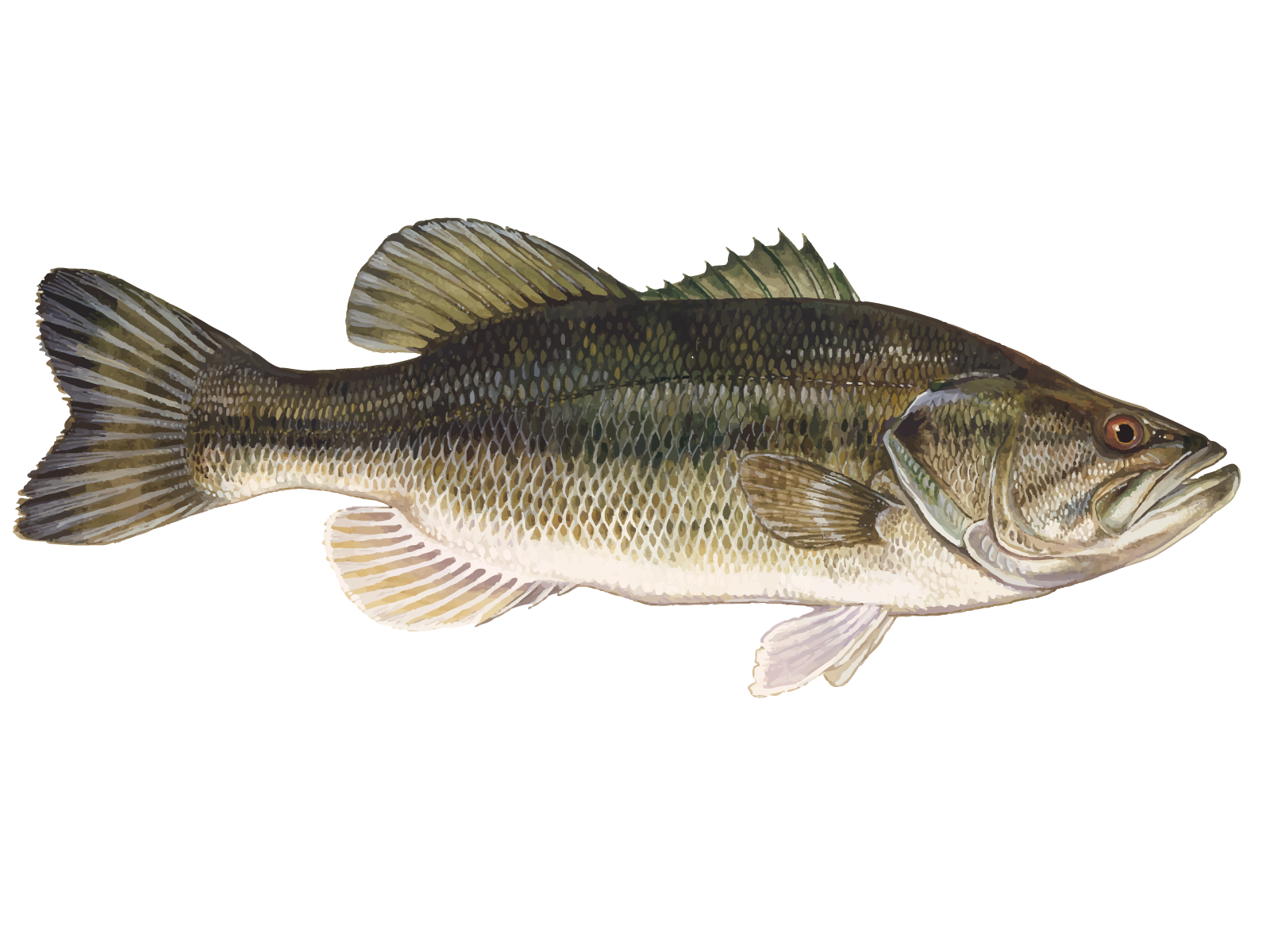 Largemouth Bass
 Smallmouth Bass
 Walleye
- Half-day beginner-friendly charter targeting Walleye, Bass, Bluegill, and Crappie
- All fishing equipment, rods, and bait provided by experienced Captain Dale
- Accommodates up to three guests on Southeast Wisconsin lakes
Trip Pricing and Availabilities:
Cast a Line: SE Wisconsin's Top Beginner Charter
Ready to dip your toes into the world of fishing? Look no further than this laid-back charter on Southeast Wisconsin's fish-filled lakes. Captain Dale Helgeson's half-day trip is tailor-made for newbies and casual anglers looking to learn the ropes while reeling in some of the area's most popular catches. With all the gear provided and expert guidance at your side, you'll be hooked on fishing in no time.
What to Expect on the Water
Picture this: You're out on a glassy Wisconsin lake, the early morning mist just starting to lift. Captain Dale's at the helm, pointing out prime fishing spots as you cruise to your first destination. Whether you're casting from the boat or finding a cozy spot near the shoreline, you'll get hands-on experience with different techniques. Dale's got a knack for explaining things in a way that just clicks, so don't be surprised if you're setting hooks like a pro by lunchtime. This trip's all about learning, laughing, and hopefully landing a few good ones for the cooler.
Fishing 101: Gear and Techniques
Don't sweat the equipment - Captain Dale's got you covered with quality rods, reels, and all the tackle you'll need. You'll get to try out a mix of techniques, from the classic bobber and worm setup that's perfect for bluegill, to more advanced methods like drop-shotting for those crafty bass. Live bait? Artificial lures? You'll learn when and how to use both. Dale's a big believer in the "teach a man to fish" philosophy, so expect to get your hands dirty (or wet, in this case). You'll learn how to rig your line, set the drag on your reel, and even how to unhook a fish without getting poked by those pesky fins.
Why Anglers Keep Coming Back
It's not just about the fish - though there are plenty of those. Folks rave about Dale's patience and how he makes everyone feel like a natural on the water. The laid-back vibe means no pressure, just pure enjoyment as you soak up the beauty of Wisconsin's lakes. Many first-timers find themselves booking their next trip before they even get back to shore. There's something addictive about the quiet moments waiting for a bite, punctuated by the excitement of a fish on the line. Plus, nothing beats the pride of bringing home your very own catch for dinner.
Species You'll Want to Hook
Bluegill: These feisty little panfish are the perfect confidence-boosters for beginners. They're abundant in Southeast Wisconsin's lakes and bite readily, giving you plenty of action. Don't let their size fool you - a mess of bluegill makes for some mighty fine eating. Look for them near weed beds and drop-offs, especially in the warmer months when they're most active.
Largemouth Bass: The rock stars of freshwater fishing, largemouth bass are known for their aggressive strikes and acrobatic leaps. In Southeast Wisconsin, you'll find them lurking around submerged logs, weed edges, and rocky points. Spring and fall are prime times to target these bruisers, when they're feeding heavily in shallower water. Landing a big largemouth is a thrill you won't soon forget.
Crappie: Often called "papermouths" due to their delicate lip structure, crappies are another favorite for both novice and experienced anglers. They tend to school up, so where there's one, there's usually more. Spring is the jackpot season when they move into shallow water to spawn, but you can catch them year-round if you know where to look. Their flaky white meat makes them a prized eating fish.
Walleye: These elusive "marble eyes" are the holy grail for many Wisconsin anglers. Known for their excellent table fare and challenging nature, walleye often feed most actively during low light conditions. You might target them during the "golden hour" just before sunset or in the early morning. Their unique eyes reflect light, giving them an advantage in murky water - which means you'll need to outsmart them to get a bite.
Smallmouth Bass: Often overshadowed by their largemouth cousins, smallmouth bass are pound-for-pound some of the hardest fighting fish in freshwater. They prefer cooler, rockier habitats and are known for their acrobatic fights once hooked. In Southeast Wisconsin, you'll find them in clearer lakes and around structure like rock piles and drop-offs. Catching a chunky smallie is sure to put a smile on any angler's face.
Time to Book Your Spot
Whether you're looking to finally learn how to fish or just want a relaxing day on the water with a chance at some great catches, Captain Dale's beginner-friendly charter is your ticket to Southeast Wisconsin fishing success. With all the gear provided and Dale's wealth of local knowledge, you're set up for a day of learning, laughing, and hopefully landing some impressive fish. Don't forget to bring your camera - you'll want proof of that first big catch! Spots fill up fast, especially during prime fishing seasons, so don't wait to book your adventure. Who knows, this might just be the start of your new favorite hobby. Tight lines, and see you on the water!
Learn more about the species
Bluegill
## Bluegill (Lepomis macrochirus) Bluegill is a freshwater gamefish and is popular for its taste and spunky fight.it resembles redear sunfish and orange-spotted sunfish. Bluegills are literally found in every area of the country. The body color of the bluegill depends on its habitat and environment. The body color can be bluish-purple, dark blue, green, or olive green and have vertical 6 to 8 stripes. Female Bluegill has white belly while a breeding male can have a rusty red or orange belly. It has 3 anal fin spines and dorsal fin with 10 - 11 spines. ## Bluegill Size and Weight Bluegill average approximately 8 inches, but can reach up to 16 inches. They usually weigh about a half-pound. Bluegills can grow larger with age and are expected to live up to 10 years. ## Bluegill Interesting Facts • Bluegills are said to be excellent swimmers. They can change their direction very quickly by adjusting their fin movements. The shape of their body helps to reduce water resistance and allows them to move very fast. • They are usually found in a school of 10-20. • Breeding males are most colorful among bluegills. • Bluegill is also used as bait and lure for bigger fishes. ## Bluegill Spawning Lepomis macrochirus maturity age depends on the habitat and environment, but mostly they mature at the age of 2 or 3 years. As the water temperature reaches 70 F, the spawning season begins. It takes place from April to September. After the female lays eggs, the nest is guarded by the male. After reaching a certain length, the younglings leave the nest for deep waters. ## Bluegill Food Bluegills mostly feed on insects, zooplankton, worms, eggs, snails, and small fish. But they are not much picky about their food, and also consume human scraps such as bread, corns, and crackers. ## Bluegill Fishing Bluegills usually hunt for food at dusk and dawn. They can be caught year-round, but spring and early summer are recommended seasons. • Spin casting with worms is extremely effective catching bluegill. • If you are planning a fishing trip with young children, go after Bluegill. They are not picky and will put up a good fight. Using a bobber with a worm will allow even the youngest angler to enjoy the day. • If you are a fly-rod expert, then try laying a spider bubble or fly at the bluegill’s spawning spots. • As bluegill has a small mouth, jig fishing with small hooks is a good option. • Float rigs such as waggler float and bubble rig work great. ## Bluegill Baits and lures: Lure and baits include: • Worms • Bread • Minnows • Small jigs • Insects • Bugs ## Bluegill Habitat and Distribution Bluegill is found mostly in ponds and lakes. They usually live in shallow and along shorelines. They prefer a vegetated or weed-rich area, or fallen logs and sunken objects where they can hide. Clear, quiet, and warm water with suitable hiding places are its favorite, like under a dock. Bluegill is endemic to the Eastern half of America. They can be found in Far East states such as Florida up to far west such as New Mexico. They have also been introduced in North America, Europe, South Africa, Asia, South America, and Oceania.
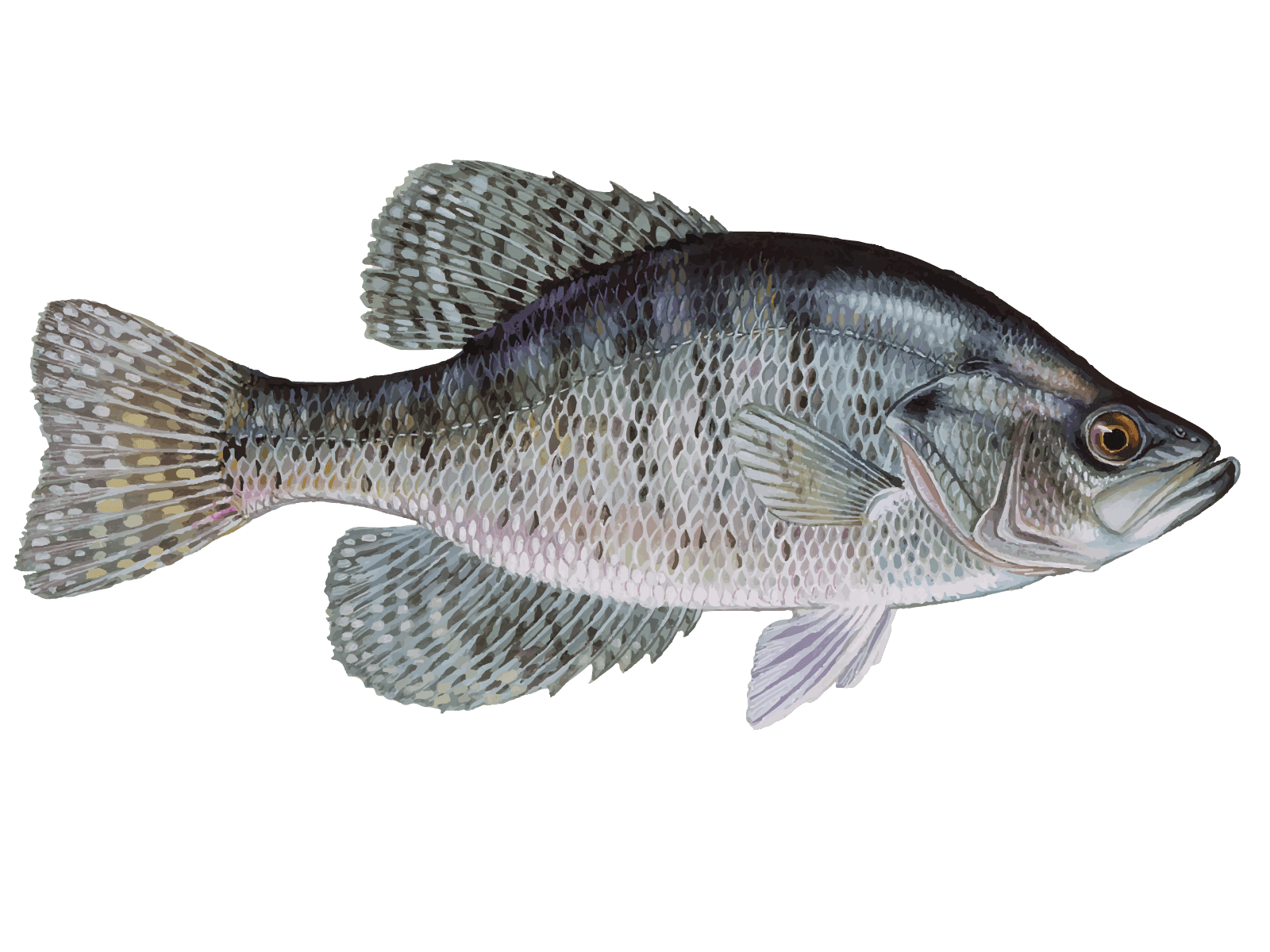
Crappie
Crappie (Poxomis)
Crappies are game fish and the largest members of the Centrarchidae family. They are present in nature as Black Crappie (Poxomis nigromaculatus) or and White Crappie (Poxomis annularus). Both the species are similar to each other, apart from few distinctions. White crappie will have vertical bars running the length of their body, and black crappie will have no discernible pattern and will just be speckled, hence their nickname, “specks". White crappie has 5-6 spines, and black crappie has 7-8 spines. Anglers often differentiate the two by body shapeGrenade Lake, Mississippi, and Reel foot Lake are considered among giant crappie lakes.
Crappie Habitat and Distribution
Both the crappies have a similar habitat, though black crappie prefers clearer water than white crappie. These fishes can be found in rivers, lakes, and backwater pools swimming in shallow waters or hiding among bushes, vegetation, or other covers.
Crappie is native to Canada and the eastern States. It is a much-enjoyed game fish in North America and inhabits the Great Lakes, Hudson Bay, and the Mississippi River Basins.
Crappie Size and Weight
Crappie can be 7-12 inches long and weigh about 0.5-1 pounds.
Crappie Interesting Facts
Crappie is known for its tasty and white meat.
- Both Poxomis nigromaculatus and Poxomis annularus are less active during the day.
- Both the fishes have a different number of dorsal fin spines. White Crappie has 6 while Black Crappie has 7 or 8.
- Mouth of Black Crappie is larger and reaches mid-eye and has a resemblance to largemouth bass.
- Crappie travels in schools.
- Female lays 5000-60000 eggs.
- Crappie can live for 7 to 10 years.
Is Crappie Good to Eat?
Despite its name, crappie is an excellent source of nutrition, containing high amounts of protein and essential omega-3 fatty acids. Although it's not as popular as salmon or tuna, crappie can be a delicious addition to any healthy diet. They are known for their delicate taste and ease of preparation.
When cooked properly, crappie has a delicate flavor and flaky texture, making it perfect for grilling, frying, or baking. Moreover, because they are smaller fish than other common species, such as bass or catfish, the chances of mercury contamination in their flesh are much lower.
Crappie Spawning
Crappie spawning season begins in early spring and summer when the water temperature is 62 F-68 F. Male builds the nest in soft or gravelly spots, the female lays the eggs, and the male guards the nest. Eggs take 2 to 5 days to hatch.
Crappie Food
Depending on the age, Crappie victims consist of zooplankton, crustaceans, small fish, minnows, insects, gizzard or threadfin shads, and larvae of other game fishes.
Crappie Fishing
Crappie is most active at dawn or dusk. Anglers recommend using live bait and properly sized hooks, not too small, not too large.
Spin or Bait Fishing for Crappie:
Spin fishing for crappie is a popular angling technique used for years. The use of small lures, such as crappie spinners or jigs along the bottom with light tackle, makes it possible to catch these elusive fish with ease. Crappie spinner fishing involves using a spinning rod and reel setup to cast the lure out into the water and retrieve it in a steady fashion.
When fishing for crappie with a spinner, it's essential to choose the right size and color of the lure. Smaller lures are more effective when targeting this species due to their smaller mouths. Additionally, selecting colors that mimic the natural prey of crappie can help increase your chances of catching them. It's also important to consider where you're casting your line when using spinners for crappie fishing.
Another popular technique is a bobber with a hook with live bait such as worms or small minnows. This is a proven method to catch crappie.
Fly Fishing for Crappie:
- Fly fishing for Crappie is exciting. Both dry and wet flies work well. Use dry flies on still and calm days, especially early and late. A great way to start a young angler on fly fishing, crappie is not as challenging as much other game fish.
- The best-wet flies for fly fishing are streamers and nymphs and soft large hackles. Streamers (small) are perfect when the fish is eating minnows.
- Anglers can fly fish for Crappie near fallen trees or bushes using a dry or wet fly. Be patient and let the fish properly take the hook. - Clouser Minnow is the ultimate fly bait that can catch even the sluggish crappie.
Crappie Baits and Lures:
- Spinners
- Pan-fish jigs
- Small crankbaits
- Insects
- Worms
- Streamer flies
- Small minnows
- Nymphs
Largemouth Bass
Largemouth Bass (Micropterus salmoides)
It is the most famous and biggest member of the sunfish family and is a renowned game fish. Largemouth Bass has a green or olive-green color body and dark or black horizontal markings on its body giving it the nickname black bass. It has a slightly forked tail and the soft rays on dorsal fins are separated by deep points.
The average adult Largemouth Bass averages 12 inches to 24 inches and weighing between 1 to 4.5 pounds.
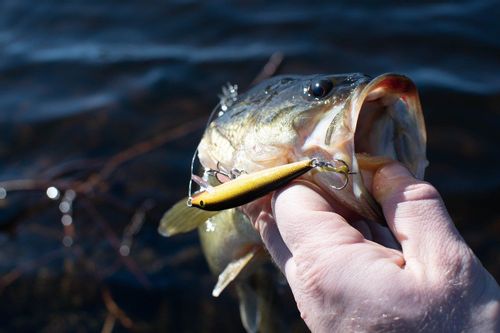
Interesting facts:
- They are appropriately named having an exceptionally large mouth and when opened, the upper jaw goes well beyond its eyes.
- They are an angler's favorite as they give quite a fight when reeled out of water.
- Largemouth can detect their prey’s vibrations using their sixth sense called lateral lines as well as their keen sense of smell.
- Largemouth Bass are attracted to red color.
Where to Find Largemouth Bass

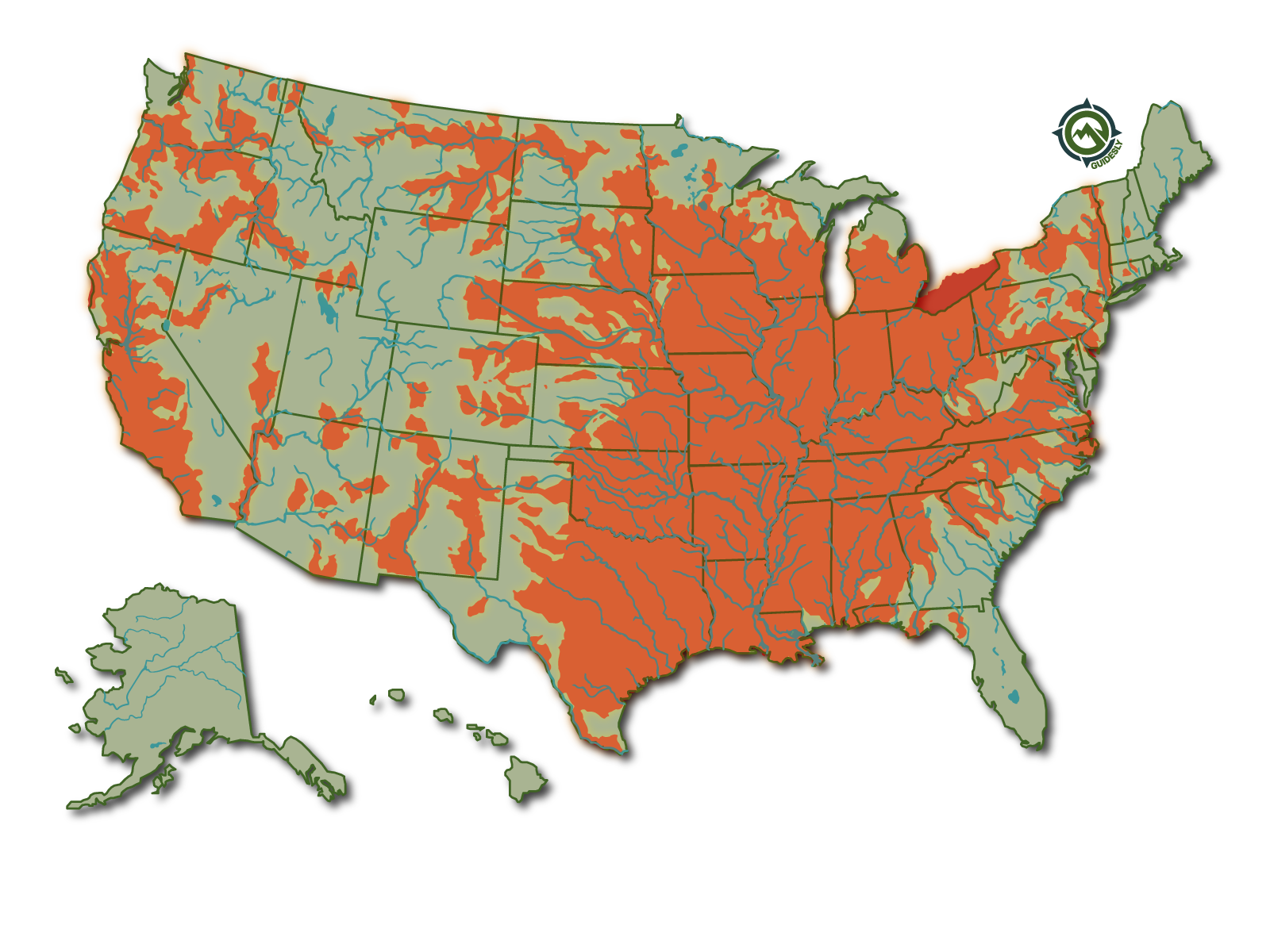
The Largemouth Bass mostly live in ponds, lakes, and medium-sized water bodies, but can be found near ditches and creeks. They like a warm place abundant in weeds and shallow muddy waters. The Largemouth Bass is only native to North America and is densely populated in the eastern and southernmost states. They now have been expanded to every state of America except Hawaii and Alaska. Due to its popularity as a game fish, the species has been introduced in many countries of Europe, Asia, Africa, South America, and Central America.
Spawning
When matured, largemouth bass usually spawns from late winter to late spring. The eggs are guarded by the male. When hatched the school remains for about 3 to 4 weeks under their father’s protection before dispersing. The optimum temperature when the eggs are laid is a steady 60 ºF or higher.
Largemouth Bass Size and Speed
Largemouth bass size and speed are two essential factors that anglers consider when fishing for this popular game fish. The largemouth bass is one of the largest freshwater fish species found in North America, with adult fish typically ranging from 12-24 inches long and weighing anywhere from 2-10 pounds or more. However, some specimens have been known to reach lengths of up to 30 inches, and the biggest largemouth bass ever caught weighed more than 22 pounds.
One reason why largemouth bass size is so important to anglers is that larger fish tend to be older and more experienced, making them harder to catch than their smaller counterparts. Additionally, larger fish can put up a much stronger fight when hooked, which adds an extra level of excitement and challenge for anglers. On the other hand, speed is another important factor that affects the behavior of largemouth bass.
Food
The Largemouth Bass's food consists of other fishes such as gizzard, shad, threadfin shad, golden shiners, bluegills, catfish, crayfish, and other smaller fishes. Snakes, salamanders, mice, bats, frogs, and other creatures are also victims.
Fishing Techniques - How to Catch Largemouth Bass
They are most abundantly found in places where it is easier to hide, such as sunken objects and thick weeds. Other spots include gradual shores, under bridges, open waters, and shorelines.
- Fishing with swim-baits is a highly successful way to catch these fish. There are both hard and soft varieties made out of wood or plastic rigged with hooks.
- Dragging is mostly used to catch Largemouth. Use plastic baits and Carolina rig. Most effective to use in the hard bottom and non-vegetated areas.
- In shallow water and grass-rich areas, try wacky fishing using straight worms and a variety of hooks.
You can use the jigs, crankbaits, jerk baits, hoppers, minnows, plugs, and live bait such as worms or minnows. These fish are abundant and you should be able to snag one with any of these on your hook.
For the fly fisherman, it’s important to have the right rig. An important thing to remember is that the Largemouth Bass does not spook easily and will put up a fight. With this in mind, it never hurts to pack heavy gear. A 6-weight will get the job done for most bass, but if you're looking for the big one, be safe with your 8-weight, it will always do the job especially when fishing big lakes and rivers.
When choosing your reel, just match it to whichever rod you’re using weight-wise. For bigger fish, we recommend using a disk drag as it will give you a more gradual resistance in the line with a sinking leader.
Use flies, primarily streamers, that are colorful and/or shiny. You will catch their attention with brightly colored flies in the murky water where they dwell. Using poppers is extremely effective as they are made to copy the actions of topwater food such as frogs which are a big part of their diet.
Weighted flies are especially useful in the late summer when the fish are down in deeper water where it is cooler.
What is the Difference Between Spotted Bass and Largemouth Bass
Spotted bass and largemouth bass are two of the most popular game fish in North America. While they may look similar, there are significant differences between them that make them unique. Understanding these differences can help anglers choose the right bait and technique to catch more fish.
Spotted bass have a smaller mouth than largemouth bass, making it easier for them to swallow smaller prey such as crustaceans or insects. They also tend to be more aggressive and will chase down their prey rather than waiting for it to come to them. Largemouth bass, on the other hand, prefer larger prey such as frogs or small fish and will often ambush their prey by hiding in cover before striking.
Another difference between spotted bass vs largemouth bass is their habitat preference. Spotted bass thrive in clearer water with rocky bottoms while largemouths prefer murky water with plenty of vegetation.
Is Largemouth Bass Good to Eat?
Are largemouth bass good to eat? The answer is yes, but with a catch. While it is safe to consume largemouth bass, it is important to consider the quality of the water where they were caught and any potential contaminants. To ensure the best taste and safety, it is recommended to only eat largemouth bass caught in clean, clear bodies of water that have been properly prepared and cooked. Overall, with the right precautions, largemouth bass can be a delicious meal for those who enjoy the sport of fishing and culinary experimentation.
Next, when it comes to cooking and eating largemouth bass, it's important to remember that the fish should be handled and prepared with care to ensure its quality and taste. To ensure that the meat remains firm and delicious, anglers should clean and store the fish properly, and cook it with the right seasonings and techniques. When done correctly, largemouth bass can make for a delicious meal, enjoyed by many fishing enthusiasts across the country.
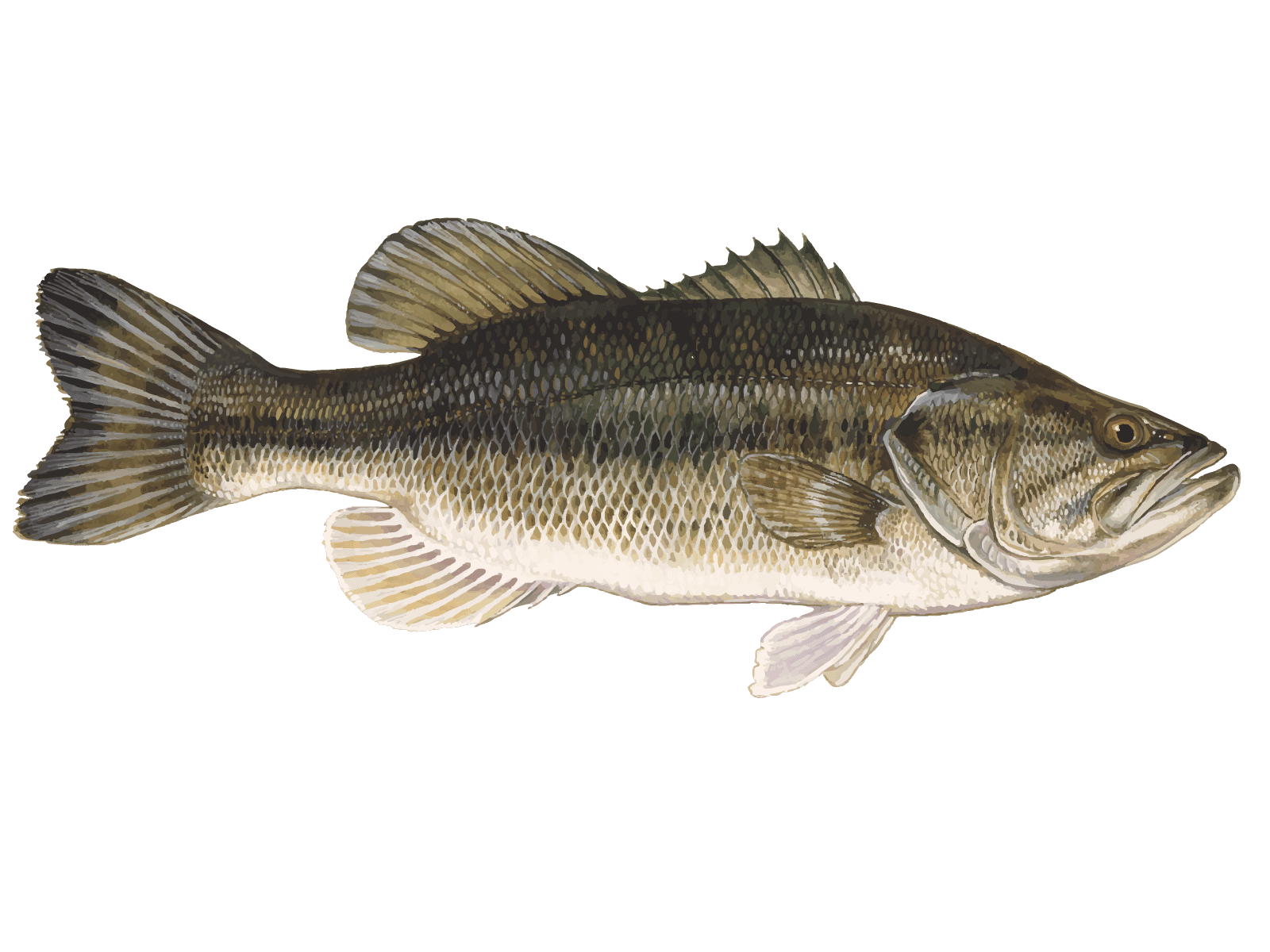
Smallmouth Bass
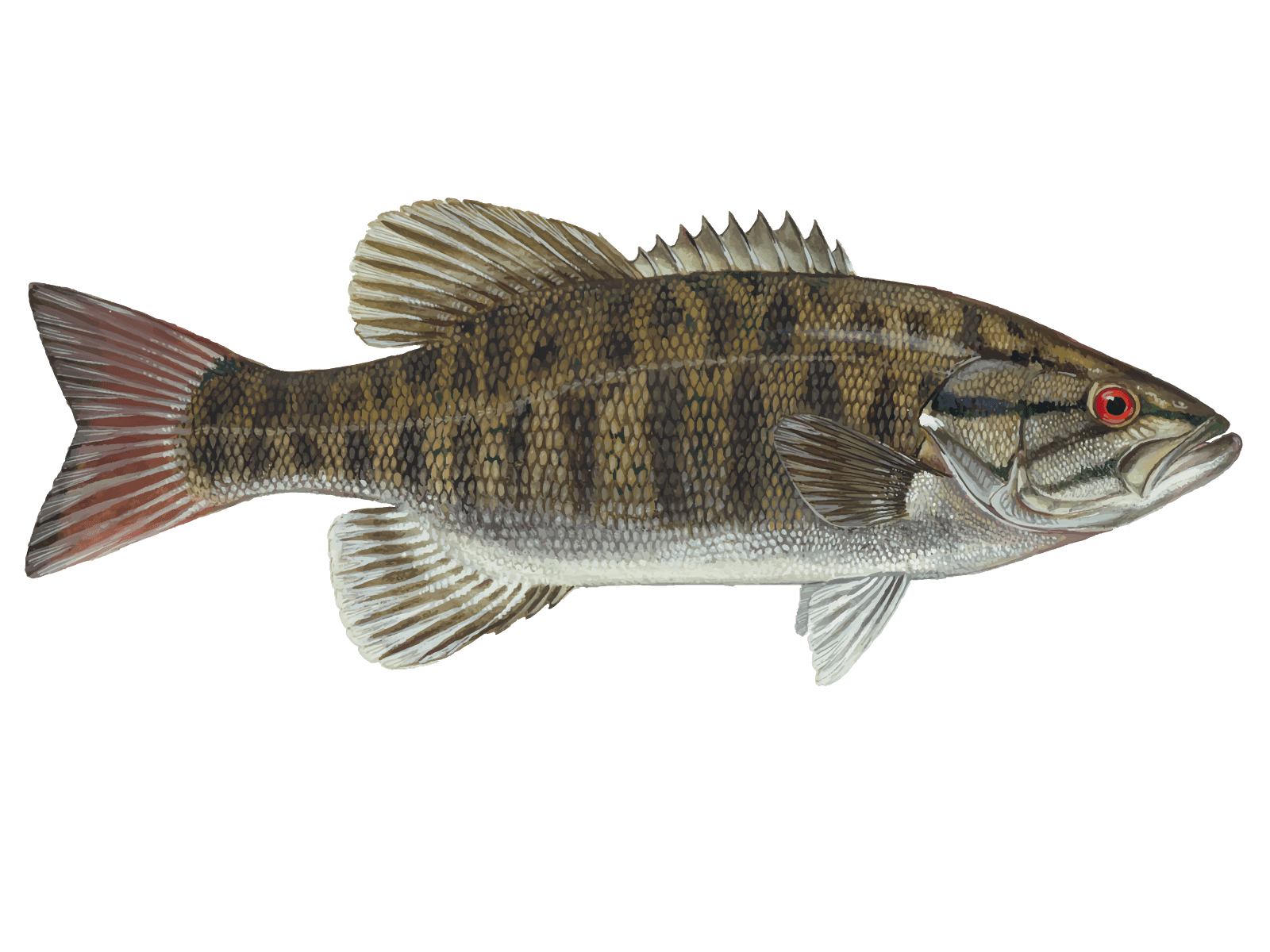
Smallmouth Bass (Micropterus Dolomieu) Description
Smallmouth Bass belongs to the Sunfish family (Centrarchidae) and is a popular freshwater fish among anglers. Smallmouth Bass has a dark green or black color body, with vertical dark brown stripes that usually fade with age, and the color contrast may vary depending on the fish’s habitat. Their eyes are red or brown. They have two dorsal fins; the front one has 10 fin spines while the other has 10 to 15 soft rays.
Female Smallmouth bass are usually larger in size than males. The average size of smallmouth bass can be 18–20 inches. On average, they usually live only 5 to 6 years but can survive up to 15 years. Smallmouth bass found in lakes are larger than those found in streams and ponds. Females usually weigh from three to six pounds, while the males are around 2 pounds.
Smallmouth Bass Habitat
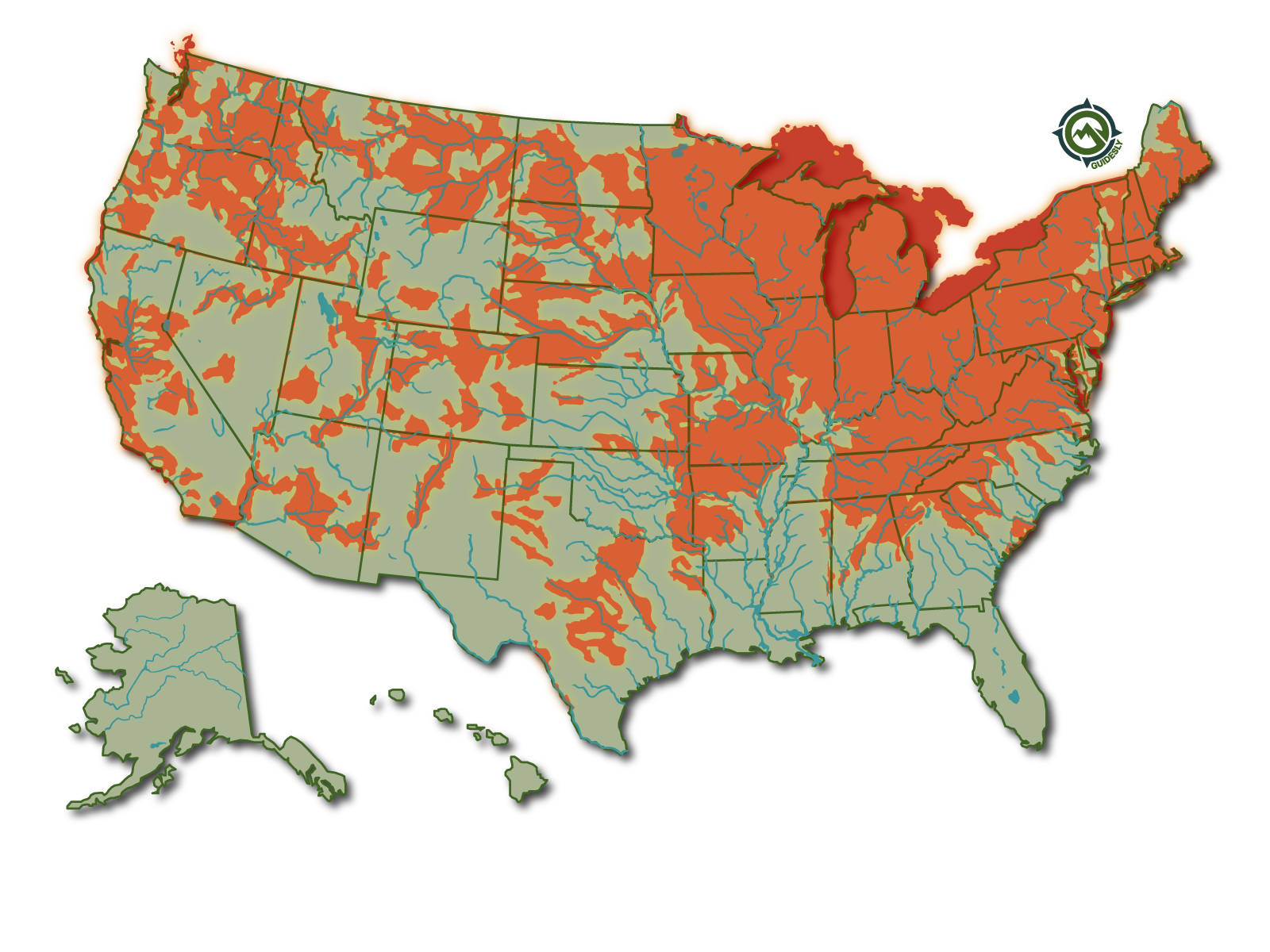
This bass species can be found in clear waters, such as ponds, lakes, and rivers. They prefer rubble and rocky bottoms. Smallmouth bass also prefer moderate temperatures, and they will swim deeper in the cooler water during summer.
Spawning
Smallmouth Bass spawn March-May when water temperatures reach between 59 and 64 degrees. The males build nests in the shallow waters of lakes and rivers. The nest is built building within 150 yards of where the male built his nest the previous year.
Diet
The Smallmouth Bass eats small fish, crayfish, and insects. They hide behind a fallen tree or a rock and attack when the prey is near.
Fishing Techniques - How to Catch Smallmouth Bass
A light breeze and calm waters are best suited to catch Smallmouth Bass. In spring and fall, they like to swim in open waters during bright days and warm temperatures. In summer, they swim deep under cooler water and are harder to find. It is best to fish for Smallmouth early morning or late evening.
Smallmouth bass are fighters. A spinning rod of light to medium action with a 6 to 10 pounds test line is recommended.
There are plenty of baits and lures that work successfully to catch these fish; insects, jigs, minnows, plugs, plastic worms, spoons and night crawlers. A favorite of anglers is to use spinning baits that when rigged weightless, can hang on top of the water. When the fish are in deeper water during the summer, use a rig with a weighted vertical drop hook.
Fly-fishing Smallmouth Bass is popular due to their abundance and strength. When you want to cast into deeper water, use a 6, 7 or 8 weight rod. This will be suitable for strong winds, landing larger fish, and a long cast. A longer rod, 81/2- to 9-foot, is good when you need accuracy for casting near shoreline structures or long-distance casting.
Is Smallmouth Bass Good to Eat
Smallmouth bass have a firm filet with a mild, yet distinct flavor that pairs perfectly with a variety of seasonings and cooking methods. So whether you prefer grilling, frying, or baking your catch, smallmouth bass is a tasty and versatile option that you won't want to miss out on. What's more, smallmouth bass are a healthy food option, as they are excellent sources of protein and Omega-3 fatty acids.
With any freshwater fish, you need to be mindful of the water you are fishing. Make sure if you are eating your catch, the water is clean and be aware that freshwater fish should always be cooked.
Walleye
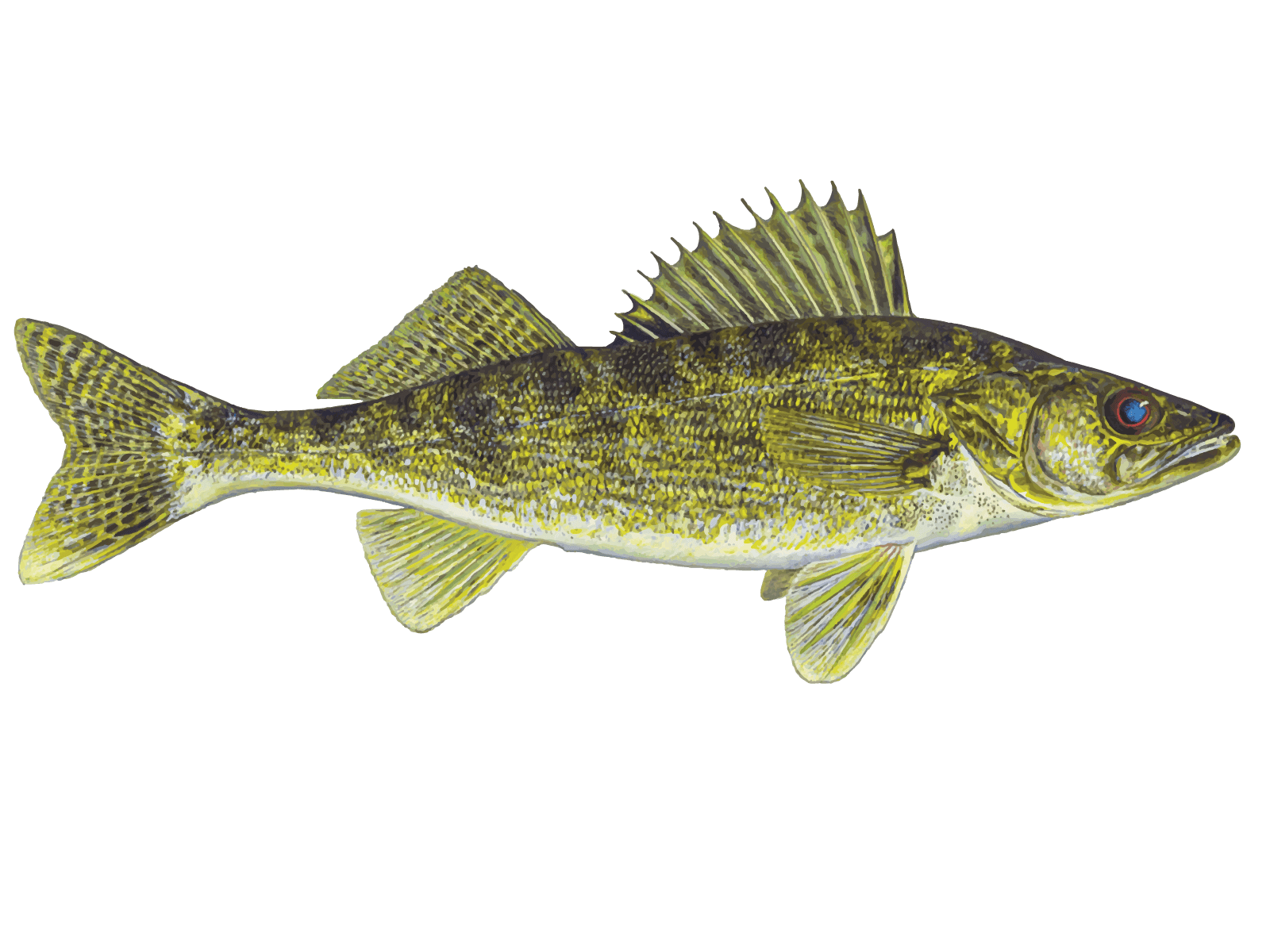
Walleye (Sander Vitreus) Description
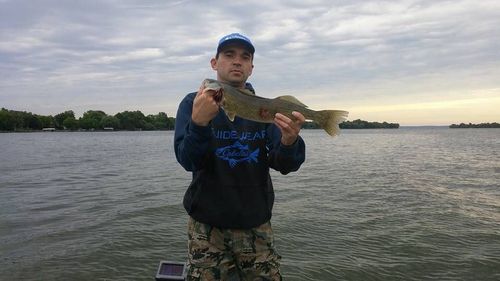
Walleye are freshwater fish that is a part of the perch family. They are a very popular game fish for the angler in the regions where they are found, and also a favorite for the dining table. Walleye are long and thin and have a golden and olive coloring with white bellies. One predominant feature of the walleye is its eyes, which have a silver eyeshine called the tapetum lucidum. This eyeshine greatly aids the walleyes when feeding in low-light conditions.
Walleye Habitat and Distribution

Walleye live in a wide range of habitats. In small to large rivers, to deep and shallow lakes. They are fairly particular to where they like to be in these bodies of water and see out sand, rock, or gravel bottoms. Walleye will usually stay deeper in the water column during daylight hours and use weeds, timber, or other structures for cover. In River systems, they will likely spend their daylight hours in deep holes and drop-offs, and move out into the shallows to seek forage during the lowlight period. Walleyes can tolerate water temperatures from 32 to 90 degrees Fahrenheit but are most comfortable when water temperatures are at 70 degrees. Walleye are nocturnal creatures that feed in shallow waters at night. Adult walleye primarily consume other fish. Small crustaceans and insects, primarily mayflies, are eaten by young walleye.
Walleye are found in the Arctic south of Canada down to the Great Lakes region and east to the St. Lawrence systems. Lake Erie is a well-known home of walleye anglers and great walleye fishing. The Midwest and Canada are the most popular areas with the best fishing, but over decades the species has been introduced artificially into lakes and reservoirs all over North America. The breathtaking waters of Lake of the Woods and Rainy River have earned the title of "Walleye Capital of the World." It has some of the best fishing in the world, and anglers come here year after year in search of that elusive record catch.
Typical Size and Weight
Walleye are reasonably large fish with a sleek and conical body shapes and a mouth lined with sharp teeth. the adult walleye can grow to 30 inches or more in length and top out at around 20 pounds in weight. Females generally grow larger than males.
Interesting Facts
The Walleye also has a European counterpart, the zander, that looks very similar but the zander can grow much larger and can reach a weight of 40 plus pounds.
The walleye can live for decades, with the oldest recorded fish being 29 years old. In areas with heavy fishing pressure however, Walleye usually don’t live past 5 or 6 years of age.
Fishing Techniques - How to Catch Walleye
Walleye can be a challenging game fish to pursue. Their location in a body of water and the tactics used to catch these fish can vary depending on certain times of the year. Walleye generally live at depths of 10 feet or greater, though in the spring and at night they can be found in shallow water areas. Freshwater fishing for walleye is best in the evening when minnow-style lures or jigs are fished near the bottom over rock piles or along the edges of weed beds.
Finding the fish is one of the biggest challenges for the walleye angler and the best place to start it by fishing structure. The angler should search multiple types of structure at varying depths to figure out where the walleye are on any given day. Be sure to check break lines, deep weed edges rock piles, and even in the middle of the basin for suspended schools of baitfish. With a little bit of time on water exploration, you will find the Walleye population.
Live bait is the key to successful Walleye catches such as minnows, nightcrawlers, and leeches. One of the best techniques is a live bait rig, to which you troll your lure slowly along the bottom. These rigs include a ¼ or a ½ pound sinker, a swivel, a 3 - 6 foot leader of a 6-pound fishing line, and a No. 4 or 6 hook.
Is Walleye Good to Eat
Walleye is a delicious fish making it a popular choice among seafood lovers. The mild, flaky texture of the fish along with its sweet, buttery flavor is enough to make anyone's mouth water. This makes walleye an excellent ingredient that pairs well with a wide variety of dishes. Whether you fry or grill it, walleye never fails to impress with its delicious taste. So, if you're looking for a healthy and tasty addition to your meals, walleye is definitely the way to go!
Walleye meat has a firm texture that holds up well to cooking methods such as grilling, frying, or baking. Its mild taste can be enhanced by seasoning it with herbs and spices or marinating it in your favorite sauce. Walleye also has low levels of mercury and other harmful contaminants, making it safe to eat regularly.
When preparing walleye, remove the skin and bones before cooking. This will give you a clean fillet.
However, it's not just its flavor that makes it so popular. Walleye is also a very nutrient-dense food that provides numerous health benefits. It's rich in omega-3 fatty acids, B vitamins, and selenium, all of which are essential for maintaining optimal health. Omega-3s are known to reduce inflammation in the body and improve heart health, while B vitamins play a crucial role in energy production and maintaining a healthy nervous system. Selenium is an important mineral that helps protect against oxidative damage and supports the immune system. By adding Walleye to your diet, you not only get the pleasure of savoring a delicious meal but also the nutritional benefits that come along with it. So, go ahead and indulge in this delectable fish to keep your body healthy and functioning at its best.
About the 2022 TRITON 206 Allure
%2F%2Fusers%2Fd0f7d6f1-09ed-4982-b036-8f8ea4c1784a%2Fboat_picture%2F765.jpg&w=1920&q=75)
Vehicle Guest Capacity: 4
Manufacturer Name: -Mercury
Maximum Cruising Speed: 60
Number of Engines: 2
Horsepower per Engine: 300
Hop aboard Captain Dale Helgeson's fishing boat for a laid-back half-day on the water in Southeast Wisconsin. This beginner-friendly charter is tailor-made for folks new to fishing or those looking to brush up on their skills. You'll cruise around some of the area's best lakes, dropping lines for walleye, bass, bluegill, crappie, and whatever else is biting. Don't worry about bringing gear - Captain Dale's got you covered with all the rods, reels, and bait you'll need. He'll show you the ropes, from casting to reeling in your catch, making sure you're comfortable every step of the way. It's a great chance to learn from a local pro while enjoying a relaxed day on the lake. Just remember to bring your fishing license, some snacks, and a cooler to take home your catch. With room for up to three guests, it's a perfect outing for a small group or family looking to try their hand at fishing in Wisconsin's beautiful waters.